
Loading...
Serving Sunrise, FL and surrounding areas. (754) 294-7370
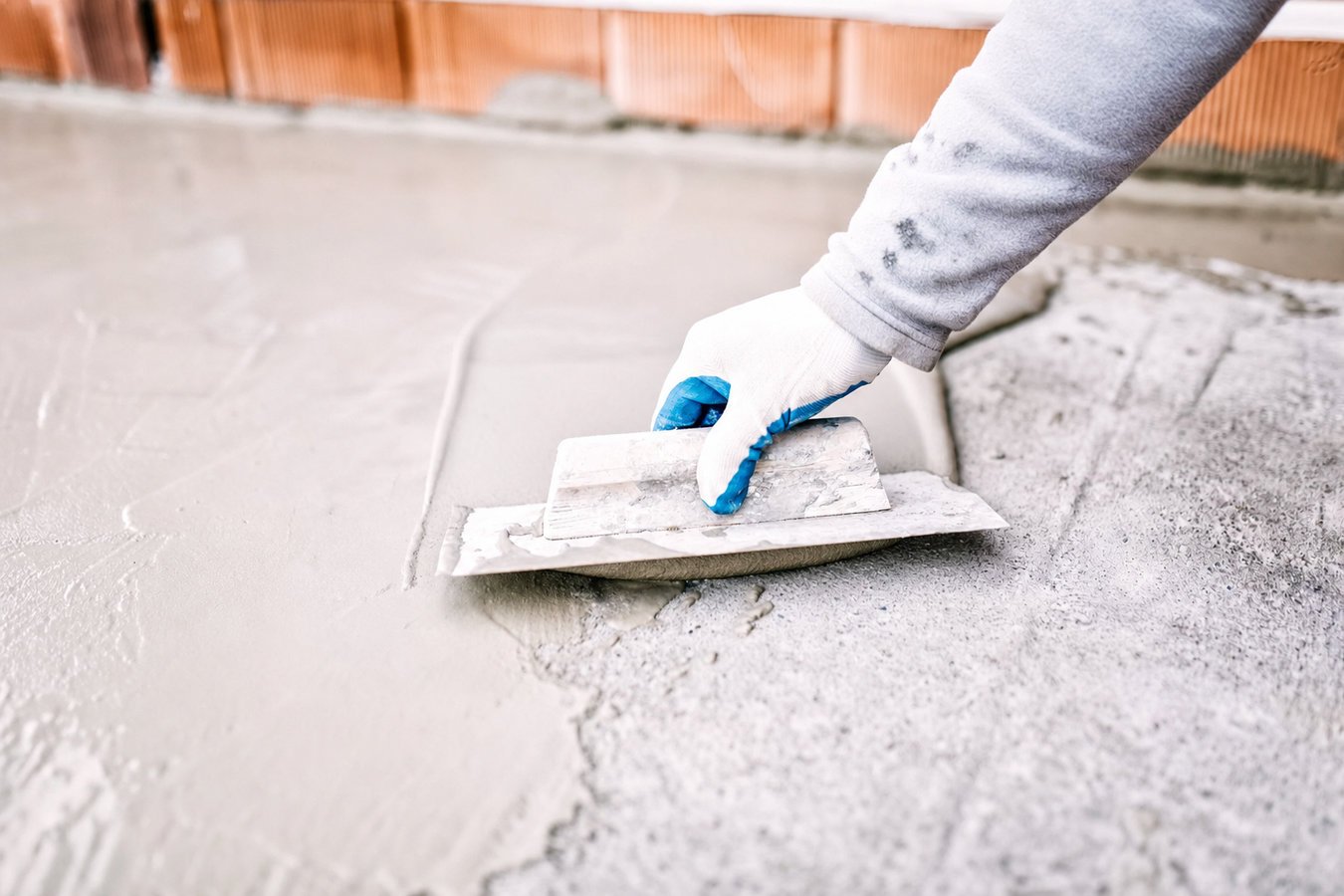
Cracked tile, rolling floors, and wavy garage slabs are almost always a slab problem, not a flooring problem. We correct the surface first so whatever goes on top actually stays put.
Self-leveling concrete in Sunrise, FL is a specially mixed material poured onto an uneven floor where it flows into low spots on its own, creating a flat surface ready for tile, vinyl, hardwood, or a decorative overlay - most single-room or garage jobs are completed in one day with light foot traffic possible within 24 hours.
In Sunrise, this service gets called most often for two situations: homeowners whose older slabs have settled over decades, leaving dips and tilts across their floors; and homeowners preparing a floor for new flooring installation after their installer flagged the slab as too uneven to work with. It's also a practical solution for garage floors and outdoor slabs where the goal is a smooth, finished surface rather than just a flat base. If you're after a decorative finish in addition to a level floor, our concrete resurfacing and overlays service covers the full range of finish options - from stamped patterns to custom colors - that can go on top once the slab is level.
The most critical part of any self-leveling job is what happens before the pour: surface preparation and moisture testing. The Portland Cement Association identifies moisture as the leading cause of concrete overlay failures, and in South Florida, where slab-on-grade construction is universal and the water table is high, that risk is elevated on nearly every job. Testing the slab before the pour is non-negotiable here.
If you notice a marble rolling on its own, water pooling in one corner of a room, or a slight tilt when you stand still, your slab has likely settled unevenly. This is common in Sunrise homes built in the 1970s and 1980s, where decades of South Florida's wet-dry soil cycles have caused gradual movement. Self-leveling concrete is often the most straightforward fix.
If you've replaced tile or vinyl in the same area more than once and it keeps cracking or popping up, the problem is almost certainly the uneven surface underneath - not the flooring itself. Laying new flooring over a wavy slab is a temporary fix. The same problem comes back. Fixing the slab first solves the real issue.
A chalky white residue on a bare concrete floor is a sign that moisture is moving up through the slab from the ground below. In Sunrise, where the water table is high and the soil stays wet much of the year, this is a common issue - and it's a warning that any overlay or flooring you install could fail if the moisture isn't addressed first. A contractor can test the slab and tell you what you're dealing with.
Most flooring products - tile, luxury vinyl, hardwood - require a flat surface to install correctly. If your installer has told you the floor needs to be leveled first, or if you can feel bumps and ridges when you run your hand across the slab, a self-leveling pour is the right first step before any new flooring goes down.
The most common situations we handle are interior floors being prepared for new flooring, garage slabs that have settled or stained over the years, and outdoor surfaces that need to be corrected before a finish overlay goes on top. The right product depends on how uneven the floor is, how thick the pour needs to be, and what the finished surface will be used for. A basic leveling underlayment is typically on the thinner end - between a quarter inch and half an inch - while more severely settled floors may need a thicker pour to correct the slope fully.
For homeowners whose goal is appearance as much as function, a decorative overlay is a different but related option. It can transform a plain or stained garage floor into something that looks finished without the cost of tile installation. And for outdoor surfaces like pool decks and patios, our pool deck coatings and resurfacing service uses overlay systems specifically designed for the UV exposure and wet-foot traffic that pool areas face in Sunrise. The American Concrete Institute and National Concrete Masonry Association both publish standards for concrete surface tolerances that guide how level a floor needs to be for different finish types.
Best for homeowners preparing an uneven slab for new flooring - tile, vinyl, or hardwood - who need a flat, stable base before installation.
Suited for garage floors, patios, and interior slabs where the goal is a finished, clean-looking surface without the cost of tile or stone.
Ideal for floors with minor surface imperfections, light damage, or old adhesive residue that need a smooth, consistent surface at minimal added thickness.
Sunrise was developed heavily during the 1970s and 1980s, and a large share of the housing stock is now 40 to 50 years old. Those original slab-on-grade foundations have had decades of exposure to South Florida's wet-dry soil cycles - ground that absorbs moisture during the rainy season and dries out again in winter, causing gradual, uneven settling across a floor. Most homeowners only notice the problem when tile starts cracking in the same spot for the second time or a new flooring installer tells them the slab isn't flat enough to work with.
The high water table across Sunrise adds another layer of complexity. Moisture coming up through a slab that hasn't been properly tested can destroy a self-leveling pour - the material bubbles, fails to bond, and has to be redone. This is also true for homeowners in neighboring Tamarac and nearby communities in western Broward County, where the same flat terrain and high water table conditions are present. Scheduling and moisture testing protocols that account for local conditions aren't optional in this market - they're the difference between a floor that holds and one that fails.
Reach out by phone or the contact form and we respond within one business day. We'll ask what the floor looks like now and what you're planning to put on top of it, then schedule an in-person visit before giving any numbers.
At the visit, we check the slab for moisture, measure the low spots, and look for any conditions that need to be addressed before a pour. You get a written estimate that explains what the work involves and what it costs - no guesses or phone quotes.
Before anything is poured, the existing floor is ground or cleaned so the new material bonds correctly. We test for moisture - a step that matters a lot in Sunrise's climate - because applying self-leveling material over a damp slab leads to bubbling, peeling, or failure. This phase is the most important part of the job.
The self-leveling material is mixed and poured, flowing into low spots and creating a flat surface on its own. Most residential pours are completed in a single day. Curing takes 24 hours for light foot traffic and up to a week for new flooring or heavy furniture. We walk through the finished area with you before leaving.
Free on-site assessment. Written estimate before any work starts. We respond within one business day.
(754) 294-7370South Florida's high humidity and slab-on-grade construction mean moisture moving up through the slab is a real concern on nearly every Sunrise job. We use moisture meters to confirm the slab is ready before anything is poured. Skipping this test is the primary reason self-leveling floors bubble, crack, or peel within months - and it's a step many contractors bypass to save time.
Most homes in Sunrise were built during the city's growth years, and those original slabs have had decades to settle, shift, and accumulate old adhesive residue. We know what to expect from a slab that age and prepare accordingly - including more thorough grinding and cleaning phases that older slabs typically require. This isn't extra work; it's the prep that makes the result hold.
Self-leveling material and overlays are sensitive to moisture in the air at the time of application. We schedule pours during drier morning hours and avoid the peak of Broward County's rainy season when possible. If you're working with a timeline during the summer months, we build in flexibility rather than rushing a job under the wrong conditions.
The American Concrete Institute sets the technical standards for concrete floor work, including tolerances for levelness and surface preparation requirements. Contractors who follow ACI guidelines are working to a defined standard - not guessing. We reference those standards because they exist for a reason: floors built to spec hold up, and floors built to a shortcut don't.
These aren't marketing points - they're the specific things that separate a floor that holds for years from one that gets redone at the homeowner's expense. In Sunrise's climate and with the age of the housing stock here, doing the job right the first time matters more than it does in most markets.
Overlay systems and coatings built specifically for the UV exposure, moisture, and foot traffic that pool decks face in Sunrise's climate.
Learn MoreWhen your driveway, patio, or pool deck is worn but structurally sound, a bonded overlay gives you a fresh surface without tearing anything out.
Learn MoreWhether you're prepping for new flooring or fixing a slab that's been settling for years, we can assess the situation and give you a written price - no obligation. Call or submit a request and we'll respond within one business day.