
Loading...
Serving Sunrise, FL and surrounding areas. (754) 294-7370
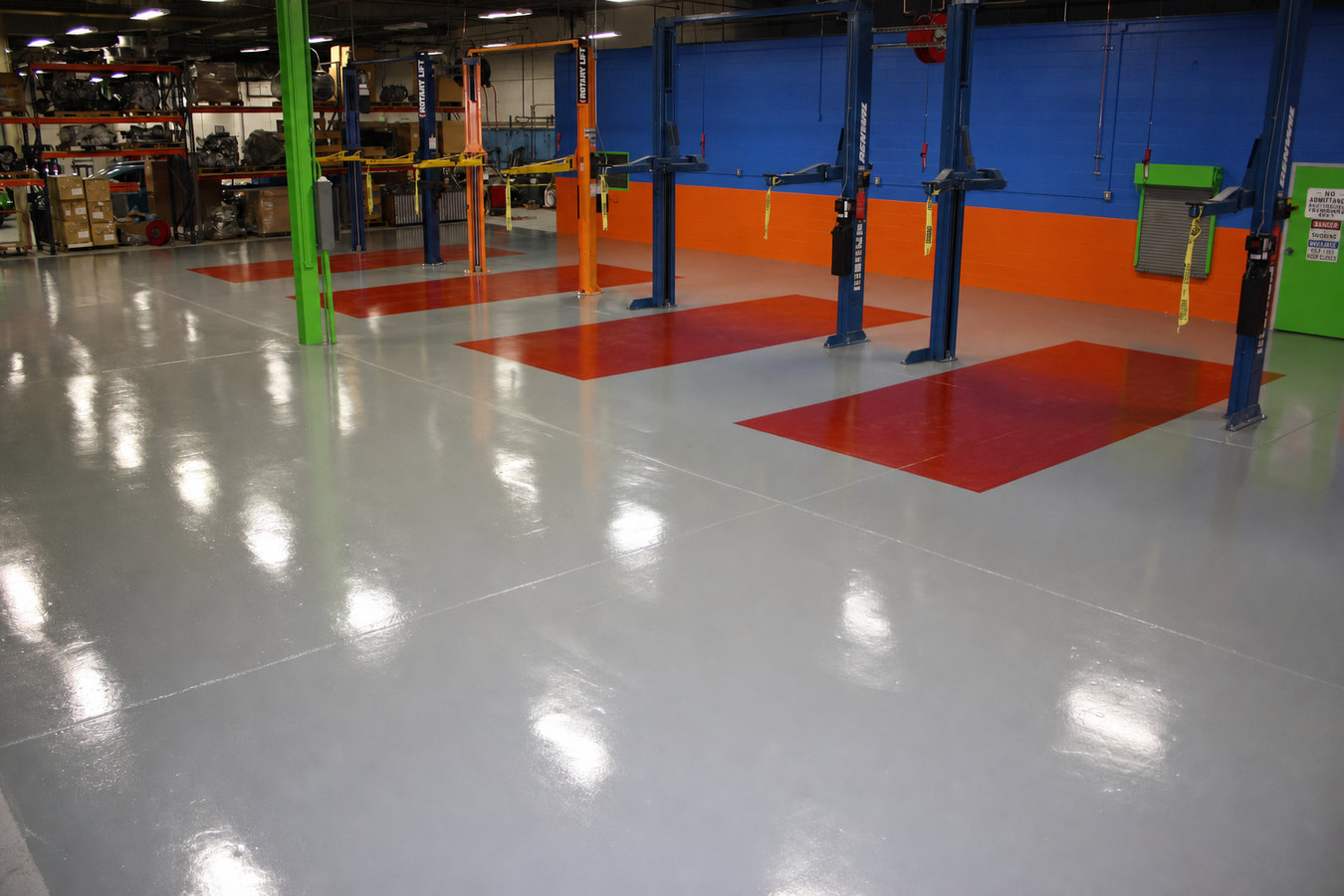
Warehouse floors, shop floors, and commercial spaces take punishment that residential coatings cannot handle. We apply epoxy systems designed for heavy traffic, chemical exposure, and South Florida moisture - with phased installs so your facility keeps running.
Commercial and industrial epoxy floor coatings in Sunrise, FL are applied to concrete slabs in warehouses, distribution facilities, shops, and commercial buildings - most projects take two to four days and require phased installation to keep your operation running during the work.
The core difference is scale and demand. A commercial floor handles forklifts, heavy equipment, chemical spills, and foot traffic volumes that would wear out a residential coating in months. The epoxy systems used for these applications are thicker, require more extensive surface preparation, and often include specialized topcoats - such as anti-slip aggregate or UV-stable clear coats near loading dock doors. Many facilities along the Sawgrass Expressway commercial corridor in Sunrise have slabs from the 1980s and 1990s that need significant prep work before any new coating can go down successfully.
For businesses with a dedicated garage component - a service bay, a small fleet area, or a company vehicle space - our garage floor coatings service handles those spaces specifically. For spaces with extreme chemical exposure or thermal demands, see our urethane cement flooring options.
If liquids soak into your floor instead of sitting on the surface, your concrete is unprotected and getting harder to clean over time. In a commercial or industrial setting, this creates both a hygiene problem and a safety hazard. An epoxy coating seals the surface so liquids stay on top and mop up quickly.
This is called efflorescence - it happens when moisture moves up through the slab and deposits minerals on the surface. In Sunrise, where the water table is high and the ground stays wet much of the year, this is a common sign of ongoing moisture pressure. It is also a warning that any coating applied without proper moisture management will likely fail.
If a coating is lifting in patches or bubbling up, the original installation had problems - usually inadequate surface prep or unmanaged moisture. This does not mean epoxy is the wrong choice. It means the next job needs to start by stripping the old coating and properly preparing the slab.
Concrete in busy commercial and industrial spaces develops surface cracks, holes from anchor bolts, and worn patches near high-traffic areas over time. These are safety concerns, not just cosmetic issues. An epoxy system applied over properly repaired concrete smooths out these imperfections and gives you a surface that is safer and easier to maintain.
The right coating system depends on what your floor is up against. For most light industrial and warehouse applications - including the distribution and commercial facilities concentrated in Sunrise near the Sawgrass Expressway - a multi-coat epoxy system provides the right balance of durability, cleanability, and cost. We add anti-slip aggregate to any area where wet conditions are expected, such as near wash bays or loading areas. For surfaces that get direct sun through loading dock doors or skylights, a UV-stable polyurethane topcoat is included as standard rather than as an upgrade.
For facilities with extreme demands - commercial kitchens, chemical storage, food processing - we can discuss whether a standard commercial epoxy system is the right call or whether urethane cement is a better fit for your space. We walk every job before quoting so you get the right recommendation, not the most expensive one.
Suited for warehouses, distribution centers, and light industrial spaces needing a durable, cleanable surface with high traffic resistance.
Fine aggregate mixed into the topcoat creates texture for loading docks, wash bays, and any area where wet floors create slip hazards.
Designed for areas near loading dock doors, skylights, or windows in Sunrise's high-sun climate to prevent yellowing and surface degradation.
Sunrise has a significant concentration of commercial parks, light industrial warehouses, and distribution facilities - many of them built in the 1980s and 1990s. Those aging slabs have often developed cracks, surface scaling, or previous coating failures that need to be addressed before new epoxy goes down. What looks like a straightforward recoat job sometimes turns out to need substantially more prep work once a contractor gets a proper look. The Broward County water table compounds this - slabs here hold more moisture than those in drier climates, and contractors unfamiliar with the local conditions often skip the testing that would have caught the problem.
We cover commercial and industrial jobs throughout Sunrise and into neighboring markets including Fort Lauderdale and Coral Springs. Scheduling around South Florida's rainy season - which runs June through September and brings near-daily humidity spikes - is built into how we plan every project, not an afterthought.
We schedule a visit to walk the space in person before giving you a number. We look at the size, the concrete condition, and any problem spots. Do not trust a quote that comes without a site visit - the condition of your existing concrete is the biggest variable in what the job will cost.
Before any work begins, we test your concrete for moisture. In Sunrise, this step is non-negotiable because of the local water table and humidity. If moisture is found above acceptable levels, we discuss options - including a moisture-blocking primer - before touching anything.
We grind or blast the concrete to remove old coatings, dirt, and weak surface material, and fill cracks with a patching compound. Clear the area completely before this day. Expect noise and dust - we contain it as much as possible.
We apply coating in phases so you can keep part of your facility running. Each coat cures before the next goes on. The space stays ventilated during application. Light foot traffic is possible within 24 hours; full equipment use after five to seven days.
We respond within 1 business day. No obligation - just a site visit, a moisture test, and a written quote. We work around your schedule so your facility keeps running.
(754) 294-7370Florida requires contractors performing commercial coating work to hold a valid license through the Florida Department of Business and Professional Regulation. You can search our license number on the DBPR website in under two minutes. That license also means we carry liability insurance and workers' compensation coverage.
Shutting down a warehouse or shop floor for a full week is not realistic for most Sunrise businesses. We coat one section at a time, communicate each step in advance, and schedule around your busiest hours so there are no surprises and your operation keeps moving.
Broward County's high water table means the concrete under your floor is almost always holding more moisture than it would in a drier state. We test every slab before any coating goes down. Skipping this step is the single most common reason commercial epoxy floors peel within the first year locally.
Sunrise averages over 250 sunny days per year. Near loading dock doors, skylights, or large windows, standard epoxy yellows and chalks over time. We use UV-stable topcoats in any area with significant sun exposure, so your floor looks the same in year three as it did on day one.
Businesses in Sunrise and across Broward County need a contractor who shows up with the right materials, tests the slab before touching it, and works in phases to keep operations running. That is what we deliver on every commercial job, from a small service bay to a multi-bay warehouse floor.
For information on contractor licensing requirements in Florida, see the Florida DBPR license verification tool. For slip-resistance and safety standards on commercial floors, OSHA publishes guidance at osha.gov.
Dedicated garage floor coating service for residential garages - solid color, flake, and specialty finishes sized for single and multi-car spaces.
Learn MoreUrethane cement handles extreme thermal shock, heavy chemical exposure, and wet environments that push standard epoxy past its limits.
Learn MoreSummer humidity and the wet season make scheduling tighter - call now to lock in your installation date and get a written quote with no pressure.